Sports Science and Testing Model
This module details the implementation of centralised physiological testing and the operational procedures for managing training loads to prevent overexertion across disciplines.
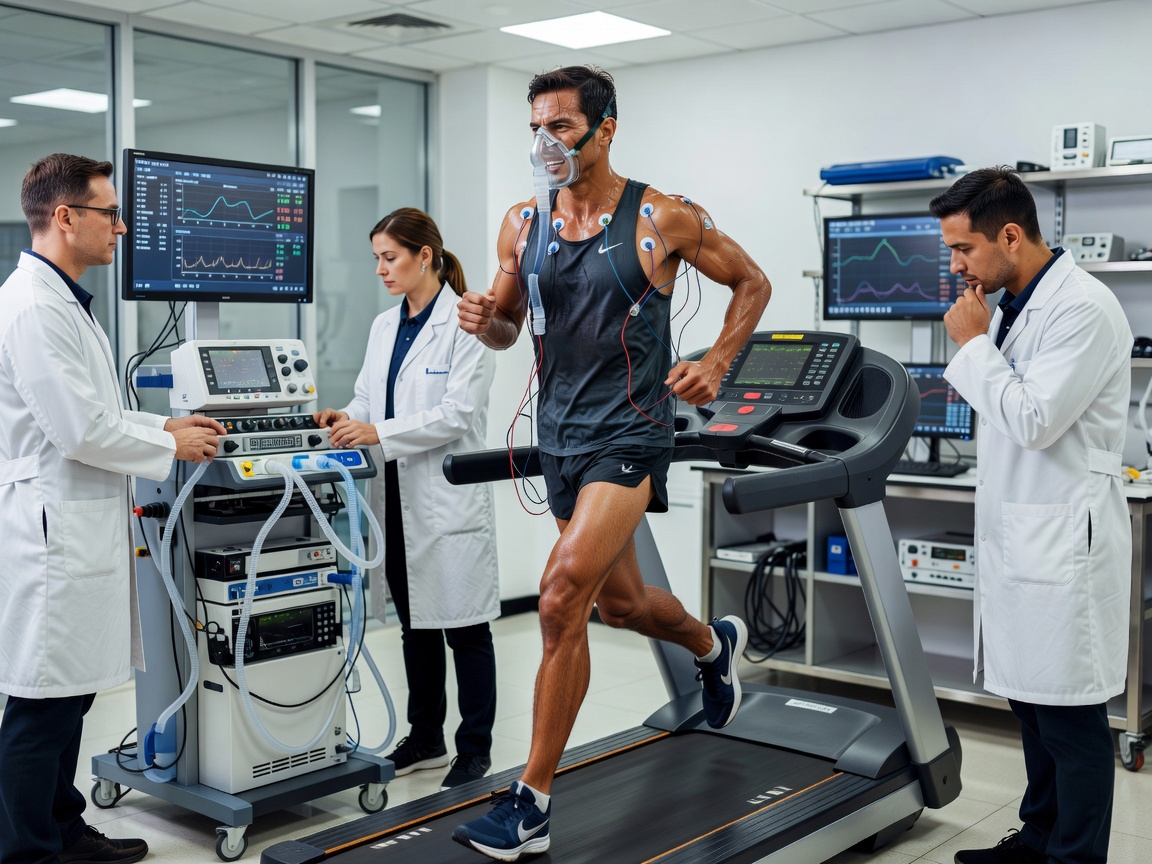
Establish Centralised Knowledge Hubs
The structural model does not rely on isolated, club-level science departments. Instead, it directs elite testing through centralised institutions (such as those styled on the Olympiatoppen framework). This guarantees standardisation.
To replicate this structure, you must mandate that physiological data from across all sports is fed into a single, shared database. This allows analysts to compare cardiovascular adaptations in rowers against cross-country skiers, deriving cross-disciplinary insights that isolated sports federations would miss.
Conduct Threshold Diagnostics
Once a participant reaches the advanced phase, guessing training zones via perceived exertion is insufficient. You must implement objective measurement.
2.1 Initiate a stepped-intensity test on a treadmill or cycle ergometer.
2.2 At each intensity stage, extract a small capillary blood sample to measure lactate concentration in millimoles per litre.
2.3 Plot the resulting curve against heart rate and power output parameters.
2.4 Define strict training zones based on this curve, ensuring that low-intensity sessions strictly avoid drifting into the threshold accumulation zone.
Implement Data-Driven Load Management
The purpose of the testing is to control the volume and intensity equation. High-capacity individuals are at extreme risk of overtraining.
Instruct the participant to log every session, detailing duration, average heart rate, and subjective wellness metrics. The central analysis unit must review this data continuously. If resting heart rate metrics elevate, or qualitative wellness scores drop, the procedural mandate requires an immediate, non-negotiable reduction in training load, overriding any impending competition schedule.
Facilitate Nutritional Integration
Physiological output is dependent on adequate caloric and macro-nutrient intake. Testing protocols extend to metabolic rate assessments.
Calculate the exact energy expenditure required for the prescribed training volume. Provide the participant with structured fueling strategies, defining the precise carbohydrate requirements necessary before, during, and after specific high-intensity interval sessions to ensure glycogen stores are replenished and the endocrine system is protected from energy availability deficits.